
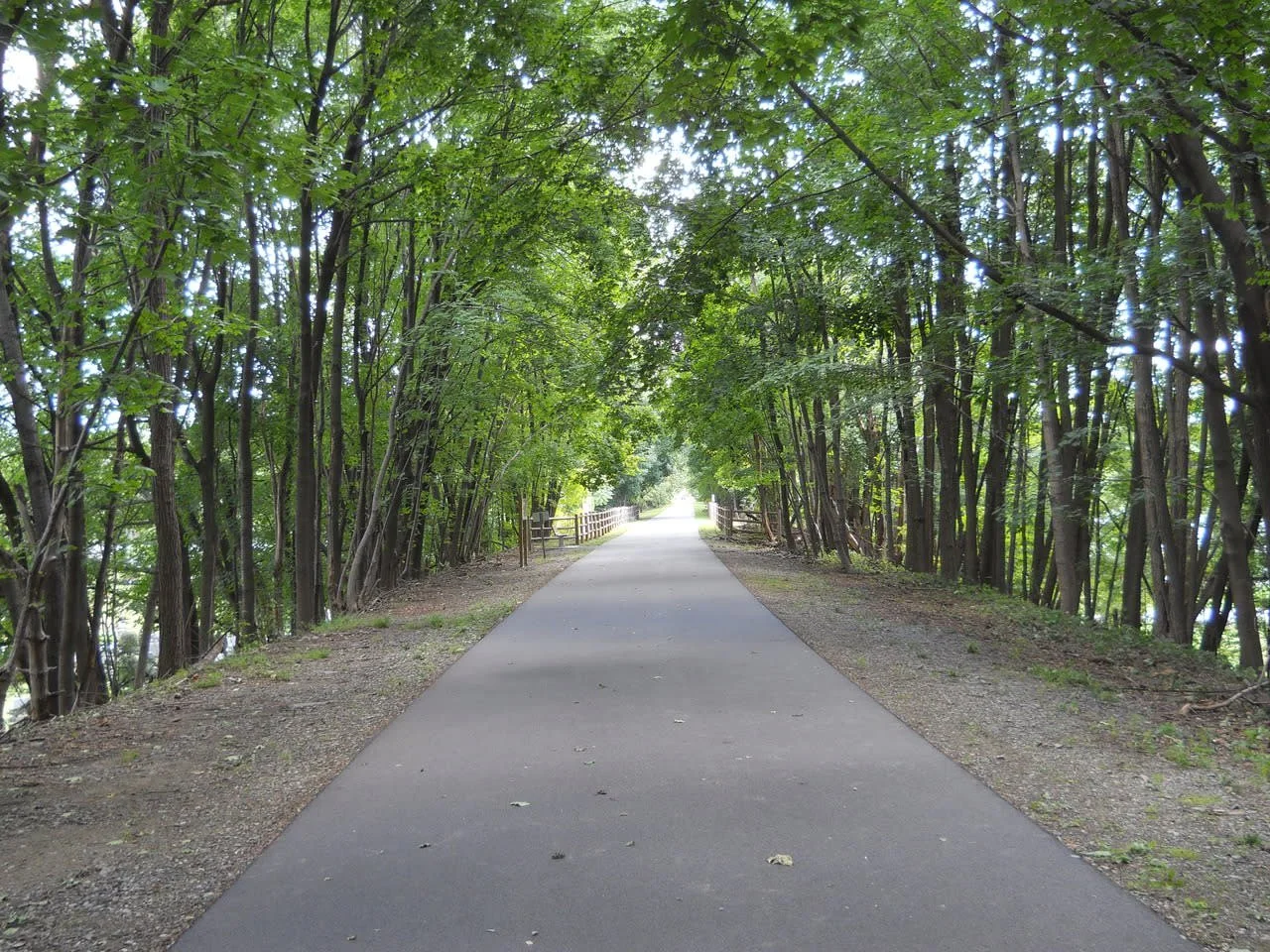
The Brickyard BOA planning process will bring together community members, property owners, public agencies, environmental organizations, institutions, and potential implementation partners to develop a coordinated vision for the future of the study area.
Project Background
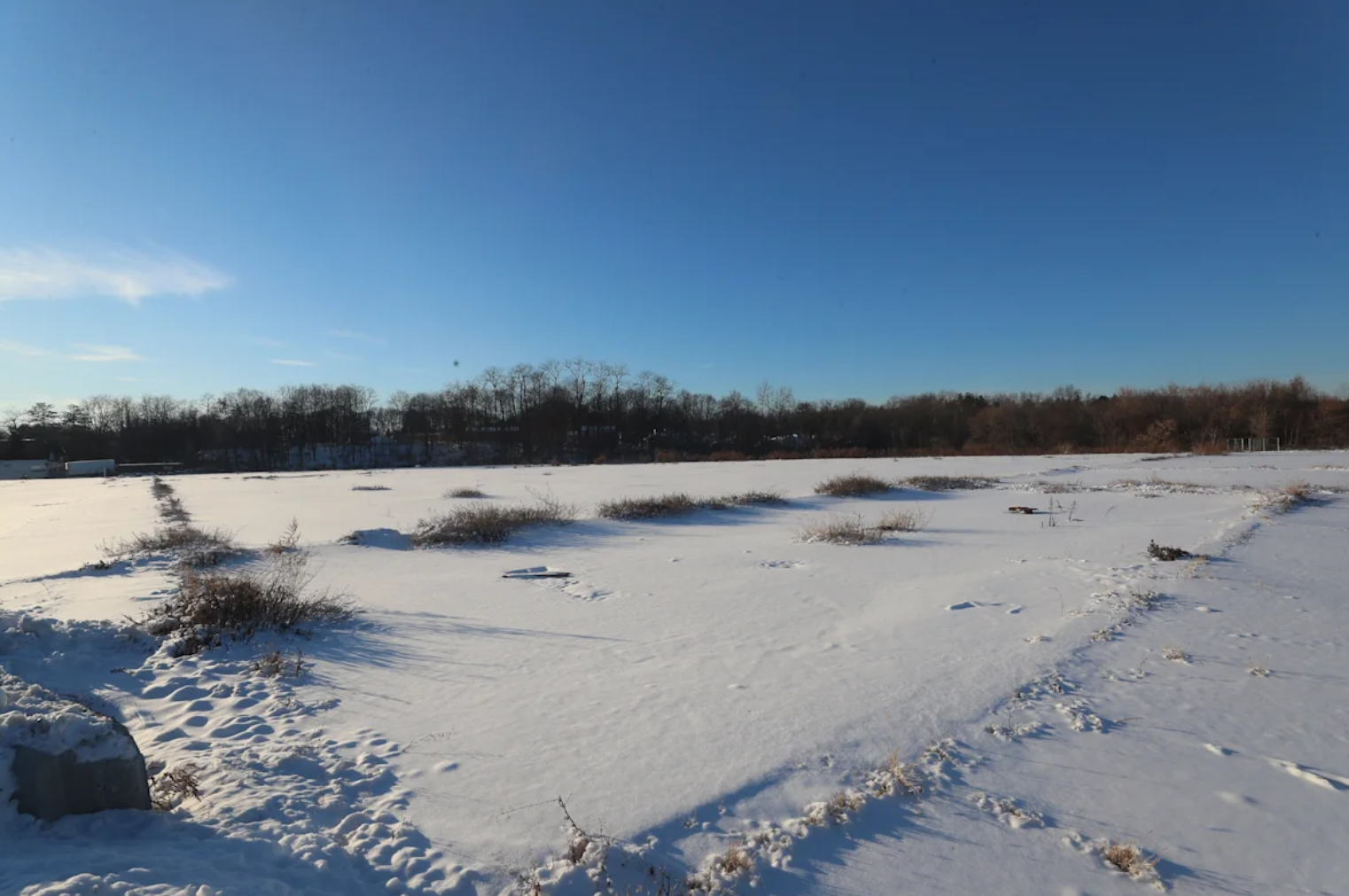
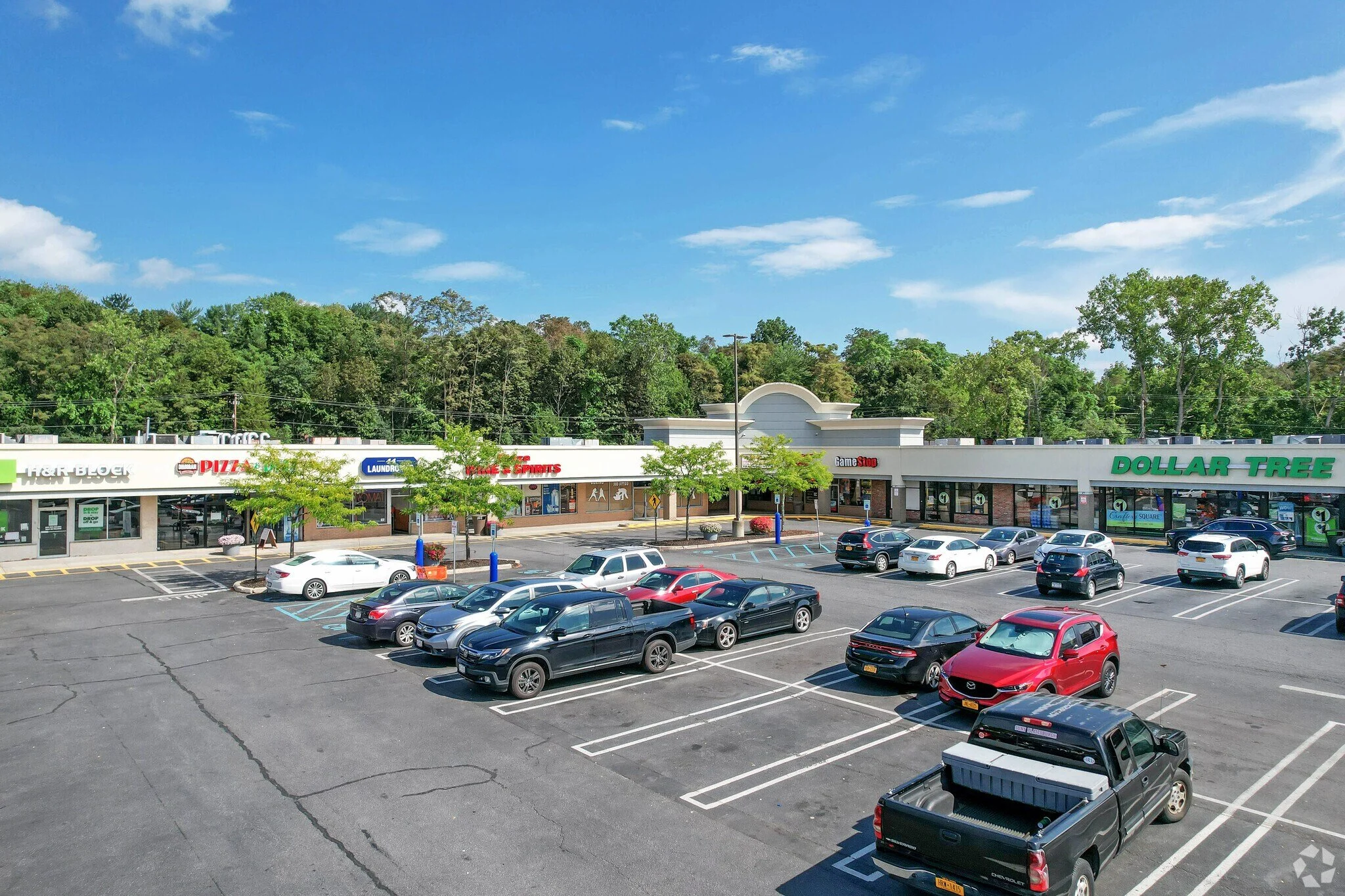
Located along Burnett Boulevard and Tucker Drive along the Route 44 (Dutchess Turnpike) corridor, the approximately 144-acre study area includes suspected brownfields, underutilized land, vacant properties, and the headwaters of the Casperkill. The area's industrial history and the presence of a former landfill have created environmental challenges that have limited investment and redevelopment over time.
Despite these challenges, the study area represents one of the Town's most significant long-term revitalization opportunities. Its central location, surrounding neighborhoods, institutional assets, and natural features create the potential for coordinated environmental restoration, economic investment, expanded recreational opportunities, and improved community connections.
Through this planning process, the Town will work with residents, property owners, businesses, community organizations, and other stakeholders to develop a shared vision and implementation strategy that will guide future redevelopment and help position the area for future public and private investment.
Project Goals

Encourage Redevelopment and Investment
Identify strategies that support the redevelopment of underutilized properties, attract investment, and encourage sustainable economic development.

Create a Community-Driven Vision
Engage residents, businesses, property owners, and stakeholders throughout the planning process to ensure the BOA Plan reflects community priorities and aspirations.

Provide a Clear Framework
Develop a clear planning framework to guide future cleanup, redevelopment, and investment decisions for both public and private sectors.

Position the Area for Future Funding
Develop a BOA Plan that helps the Town compete for future state and federal funding while positioning redevelopment projects to benefit from available incentives.

Build Partnerships & Leverage Resources
Connect the Town with state agencies, community partners, and funding opportunities that can help advance priority projects identified through the BOA Plan.

Support Future Redevelopment Opportunities
Once designated, the BOA can provide additional advantages for redevelopment projects, including priority consideration for certain state funding programs and potential eligibility for Brownfield Cleanup Program tax credits.
-
During this phase, the project team will document and assess existing conditions in and around the BOA site to identify redevelopment opportunities and constraints.
Tasks include: assessing environmental conditions, land use, infrastructure, transportation, natural resources, market conditions, and community assets to establish a comprehensive understanding of the study area.
-
Working closely with the Steering Committee and the public, the project team will develop a shared vision and redevelopment framework for the BOA.
Tasks include the creation of an area-wide master plan and the identification of strategies for key sites that support environmental restoration, economic development, recreation, and community priorities.
-
To ensure the BOA Plan can move seamlessly from planning to action, the project team will develop a concise implementation roadmap, aligning priority projects with potential funding sources.
Tasks include the identification of priority projects, potential funding sources, partnerships, regulatory considerations, and implementation actions to guide future redevelopment and investment.
-
Immediately following the development of the implementation strategy, the project team will compile the final draft BOA Plan.
Tasks include the compilation of all technical analyses, community input, the master plan, and implementation strategy into a comprehensive BOA Plan that serves as the Town’s long-term planning framework for the study area.
-
The project team will submit the BOA Plan to New York State Department of State for designation. Upon designation of the BOA, the Town of Poughkeepsie will be eligible to access additional state funding to support the implementation of the BOA Plan.
Project Timeline
Community Engagement will occur through every phase of the project.
Public workshops, pop-up events, stakeholder meetings, surveys, and online engagement will help shape the planning process, ensuring the BOA Plan reflects local priorities and community aspirations.
Check the “Get Involved” page for more details about public input opportunities.
Steering Committee
The Brickyard BOA Steering Committee is composed of representatives from local government, community organizations, institutions, businesses, and other stakeholder groups. The Steering Committee serves as an advisory body throughout the planning process, providing local knowledge, reviewing project findings, and helping guide key planning decisions.
Committee members will help identify community priorities, redevelopment opportunities, and implementation strategies, while also assisting with stakeholder outreach and encouraging public participation throughout the BOA planning process.
Emily Dozier, Town Resident
Paul Jean, Mid-Hudson Church
Nwan Joseph, Town Resident and Local Businessperson
Kristen Menking, Vassar College Professor
Joe Quitoni, Town Resident and Local Businessperson
Dawn Quitoni, Town Resident and Local Businessperson
Trevor Redl, Dutchess County Legislator for District 1
Rachel Reisman, Town Resident
Dan Salvatore, Town Resident
Chris Sterbenz, Town Resident
Shantha Thangiah, Town of Poughkeepsie
Carl Whitehead, Town of Poughkeepsie Planning Board